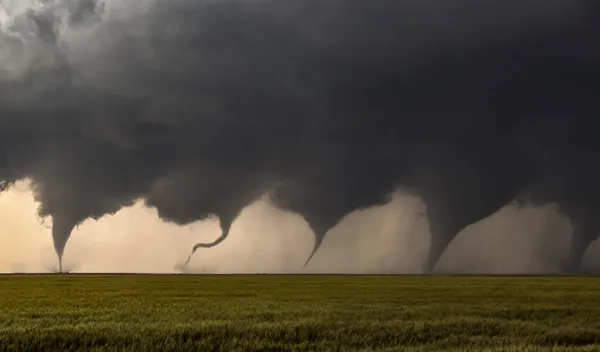
Tornado Warning Virginia: Latest Updates as Severe Weather Threatens Communities
A tornado warning in Virginia has prompted residents across several communities to seek shelter as severe thunderstorms move through the region. Meteorologists are closely monitoring the rapidly changing weather conditions, warning that damaging winds, large hail, torrential rainfall, and possible tornadoes could pose significant dangers.
Unlike a tornado watch, which means atmospheric conditions are favorable for tornado development, a tornado warning indicates that a tornado has either been detected by weather radar or reported by trained weather spotters. Residents within the warned area should immediately move to a safe location.
Emergency officials are urging everyone to remain weather-aware, monitor official alerts, and avoid unnecessary travel until the storm system passes.
What Is Happening in Virginia?
Strong thunderstorms have developed across parts of Virginia, creating conditions capable of producing tornadoes. The storms are also bringing:
- Damaging wind gusts exceeding 60 mph
- Large hail
- Heavy rainfall leading to flash flooding
- Frequent lightning
- Possible tornado formation
Weather experts say the storm system could continue evolving throughout the day, making it important for residents to monitor updates frequently.
Areas Potentially Impacted
Depending on the storm’s track, multiple counties and cities may experience severe weather.
Residents should continue monitoring local forecasts and emergency notifications for updates affecting their specific location.
Areas under or near tornado warnings may experience:
- Rotating thunderstorms
- Downed trees
- Power outages
- Structural damage
- Road closures
- Reduced visibility from heavy rain
Difference Between a Tornado Watch and Tornado Warning
Many people confuse these two alerts.
Tornado Watch
A tornado watch means weather conditions are favorable for tornado development. Residents should prepare and stay alert.
Tornado Warning
A tornado warning means a tornado has been detected or indicated by weather radar. Immediate action should be taken to protect life and property.
What You Should Do During a Tornado Warning
If a tornado warning is issued for your location:
- Move immediately to the lowest level of your home.
- Shelter in a basement if available.
- If no basement exists, go to a small interior room away from windows.
- Avoid large open rooms, gyms, or areas with wide roofs.
- Cover your head and neck using pillows, blankets, or a mattress.
- Stay away from windows and exterior walls.
- Continue monitoring emergency weather alerts.
If you are driving:
- Never attempt to outrun a tornado.
- Seek sturdy shelter immediately.
- Avoid overpasses.
- If no shelter is available, follow local emergency guidance.
Possible Impacts
Severe storms capable of producing tornadoes can cause:
- Roof damage
- Fallen trees
- Power line damage
- Flying debris
- Flash flooding
- Property destruction
- Transportation disruptions
Emergency crews may respond to reports of storm damage once conditions become safe.
How to Prepare Before Severe Weather Arrives
Emergency management officials recommend preparing an emergency kit containing:
- Flashlights
- Extra batteries
- Portable phone chargers
- Bottled water
- Non-perishable food
- First aid supplies
- Prescription medications
- Weather radio
- Important documents
Having multiple ways to receive weather alerts can provide valuable extra minutes to reach shelter.
Stay Informed
Residents should rely on trusted weather sources for the latest information, including:
- National Weather Service alerts
- Local emergency management agencies
- Local television weather broadcasts
- NOAA Weather Radio
- Official mobile weather applications
Avoid relying solely on outdoor warning sirens, particularly while indoors.
Travel Advisory
Travel during severe weather should be avoided whenever possible.
Heavy rain, reduced visibility, flooded roadways, and debris can quickly create hazardous driving conditions. Motorists should never drive through flooded roads and should delay travel until storms have passed.
Community Response
Emergency officials continue monitoring the evolving weather situation and may issue additional warnings if storm conditions worsen.
Residents are encouraged to check on elderly neighbors, individuals with disabilities, and anyone who may need assistance receiving emergency information.
Schools, businesses, and local organizations may also adjust schedules depending on storm impacts.
Final Thoughts
The Virginia tornado warning serves as an important reminder of how rapidly severe weather can develop. Staying informed, acting quickly when warnings are issued, and having a safety plan can significantly reduce the risk of injury during dangerous storms.
As weather conditions continue to evolve, residents should remain alert for updated warnings, avoid unnecessary travel, and follow guidance from local emergency management officials until the threat has passed.
Frequently Asked Questions (FAQ)
What does a tornado warning in Virginia mean?
A tornado warning means a tornado has been detected by radar or reported by trained observers. People in the warned area should seek shelter immediately.
Which parts of Virginia are affected?
The affected locations depend on the movement of the storm. Check official weather alerts for warnings specific to your county or city.
What is the safest place during a tornado?
The safest place is a basement. If you don’t have one, move to a small interior room on the lowest floor, away from windows and exterior walls.
Can I drive during a tornado warning?
It is strongly discouraged. If possible, seek shelter in a sturdy building immediately rather than remaining in a vehicle.
How long do tornado warnings usually last?
Most tornado warnings remain in effect for 30 to 60 minutes, although they may be extended or canceled depending on storm conditions.
Where can I get the latest Virginia tornado updates?
Monitor the National Weather Service, local emergency management agencies, trusted local news stations, NOAA Weather Radio, and official weather apps for real-time updates.