Rowe Creek Complex Fire Today: Latest Updates, Evacuations, Fire Size, Containment, Road Closures, and What Residents Need to Know
The Rowe Creek Complex Fire continues to draw attention as firefighters battle challenging conditions. Get the latest updates on the Rowe Creek Complex Fire, including evacuation orders, containment, road closures, air quality, and safety information.
Rowe Creek Complex Fire: Latest Updates on the Wildfire
The Rowe Creek Complex Fire has become one of the most closely watched wildfire incidents as emergency crews continue working around the clock to slow its spread and protect nearby communities. Firefighters are facing difficult conditions, including dry vegetation, shifting winds, and steep terrain, making suppression efforts both dangerous and complex.
Residents living near the affected area are being urged to stay informed through official emergency alerts as evacuation orders and warnings may change rapidly depending on fire behavior.
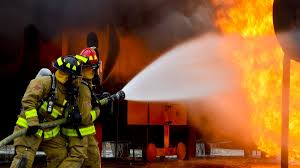
Authorities continue to monitor the wildfire while deploying ground crews, helicopters, air tankers, and heavy equipment to strengthen containment lines and reduce the threat to homes, infrastructure, and natural resources.
What Is the Rowe Creek Complex Fire?
The Rowe Creek Complex Fire refers to a group of wildfire incidents burning within the same operational area that are being managed together under a unified firefighting strategy. Managing multiple fires as a “complex” allows emergency agencies to coordinate personnel, aircraft, equipment, and resources more efficiently.
Wildfires grouped into a complex often ignite from similar weather events such as lightning storms or occur close enough geographically that they require a combined response.
Officials continue to assess fire activity while prioritizing firefighter safety and the protection of nearby communities.
Firefighting Efforts Continue Around the Clock
Fire crews have been using multiple suppression methods, including:
- Constructing fire lines using bulldozers and hand crews
- Conducting strategic aerial water and retardant drops
- Protecting structures located near the fire perimeter
- Removing hazardous vegetation to slow fire spread
- Monitoring weather conditions that could influence fire behavior
Incident commanders continue adjusting firefighting tactics as weather conditions evolve throughout the day.
Evacuation Orders and Warnings
As the wildfire remains active, emergency officials may issue:
- Mandatory evacuation orders
- Evacuation warnings
- Shelter-in-place advisories in specific locations
- Temporary road closures
Residents should leave immediately if evacuation orders are issued for their area and should avoid waiting until conditions worsen.
People are encouraged to prepare emergency kits containing:
- Prescription medications
- Identification documents
- Mobile phone chargers
- Food and drinking water
- Pet supplies
- Important personal belongings
Smoke and Air Quality Concerns
Even residents located several miles away from the fire may experience smoky skies and poor air quality.
Health officials recommend that sensitive groups—including children, older adults, pregnant individuals, and people with asthma or heart disease—limit outdoor activities when smoke levels increase.
Residents may also consider:
- Keeping windows and doors closed
- Running air purifiers if available
- Wearing properly fitted N95 respirators when outdoors in smoky conditions
- Following local air quality advisories
Road Closures and Travel Impacts
The wildfire may affect transportation routes near the incident area.
Drivers should expect:
- Temporary highway closures
- Reduced visibility caused by smoke
- Delays due to firefighting equipment
- Restricted access to evacuation zones
Motorists are encouraged to avoid unnecessary travel near the fire and follow directions from law enforcement officers.
Weather Remains a Critical Factor
Fire behavior can change rapidly depending on weather conditions.
Incident meteorologists continue monitoring:
- Wind speed and direction
- Temperature
- Relative humidity
- Thunderstorm potential
- Overnight fire activity
Any increase in winds or prolonged hot, dry weather could significantly increase fire activity.
Community Safety Remains the Top Priority
Emergency management agencies continue emphasizing public safety while firefighters work to contain the wildfire.
Residents are encouraged to:
- Stay informed through official emergency notifications
- Follow evacuation instructions immediately
- Avoid entering closed areas
- Allow emergency vehicles unrestricted access
- Report new fire activity only through emergency dispatch channels
Officials remind the public that wildfire conditions can change quickly, even when containment efforts are making progress.
Environmental Impact
Large wildfires like the Rowe Creek Complex Fire can have lasting environmental effects, including:
- Damage to forests and wildlife habitat
- Increased erosion after rainfall
- Reduced air quality
- Potential impacts on nearby watersheds
- Long-term vegetation recovery efforts
Once the fire is contained, land management agencies will begin assessing burn severity and planning restoration projects where necessary.
What Happens Next?
Firefighters will continue strengthening containment lines while monitoring hotspots and responding to any flare-ups.
As containment improves, officials will gradually evaluate damaged areas, reopen roads when safe, and begin allowing evacuated residents to return home.
Recovery efforts may continue for weeks or months depending on the fire’s overall size and the extent of damage.
Frequently Asked Questions (FAQ)
What is the Rowe Creek Complex Fire?
The Rowe Creek Complex Fire is a wildfire incident involving multiple fires managed together under a coordinated firefighting operation.
Has the Rowe Creek Complex Fire been contained?
Containment levels can change daily as crews make progress and weather conditions evolve. Residents should monitor official incident updates for the latest information.
Are evacuation orders in place?
Evacuation orders or warnings may be issued depending on fire behavior and proximity to populated areas. Residents should follow local emergency management guidance immediately.
Why is smoke affecting areas far from the fire?
Wildfire smoke can travel long distances due to wind patterns, affecting air quality many miles from the active fire perimeter.
Can roads near the fire be closed?
Yes. Authorities may temporarily close roads to protect the public and provide firefighters with safe access to the incident.
What should residents do during a wildfire?
Prepare an emergency kit, monitor official alerts, follow evacuation orders promptly, avoid restricted areas, and protect yourself from smoke exposure.
Conclusion
The Rowe Creek Complex Fire remains an active wildfire requiring an extensive emergency response as firefighters work to protect lives, homes, and natural resources. While crews continue making progress under challenging conditions, changing weather and rugged terrain mean the situation can evolve quickly. Residents are encouraged to stay alert, follow official evacuation instructions, and monitor trusted local emergency agencies for the latest updates on fire growth, containment, road closures, and community safety.