Bay Area Fire Today: Live Updates, Evacuations, Road Closures, and What Residents Need to Know
Looking for the latest Bay Area fire today? Get live updates on active fires, evacuation warnings, road closures, firefighting efforts, air quality, and safety information for residents across the San Francisco Bay Area.
Bay Area Fire Today: Latest Updates on Active Fires Across Northern California
Residents across the San Francisco Bay Area are closely monitoring reports of active fires today as firefighters continue responding to multiple incidents amid warm temperatures, dry vegetation, and changing wind conditions. While not every fire has resulted in evacuation orders, emergency crews remain on high alert to prevent flames from spreading into nearby neighborhoods and open spaces.
Fire departments from throughout the Bay Area—including Alameda, Contra Costa, Santa Clara, San Mateo, Marin, Sonoma, Napa, Solano, and San Francisco counties—are coordinating responses to reported vegetation fires, structure fires, and brush fires where necessary.
Authorities are urging the public to avoid affected areas, follow official emergency alerts, and prepare for changing conditions as firefighting operations continue.
Where Is the Bay Area Fire Today?
Several fire agencies throughout the Bay Area have responded to incidents involving:
- Vegetation fires
- Brush fires
- Grass fires
- Residential structure fires
- Commercial building fires
- Vehicle fires spreading into dry grass
Depending on weather conditions and terrain, even relatively small fires can grow rapidly, particularly in areas experiencing low humidity and gusty winds.
Emergency dispatch centers continue to monitor new reports throughout the day.
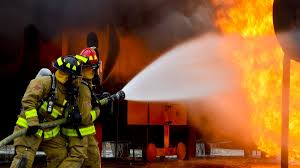
Firefighters Working to Contain Flames
Firefighters have deployed numerous resources including:
- Engine companies
- Hand crews
- Water tenders
- Bulldozers
- Air tankers (when available)
- Helicopter water drops
- Incident command teams
Their primary goals include:
- Protecting homes and businesses
- Preventing additional fire spread
- Keeping evacuation routes open
- Securing fire lines
- Monitoring hotspots
Officials continue evaluating fire behavior before announcing full containment.
Are There Evacuation Orders?
Evacuation information varies depending on the location of each fire.
Residents living near active fire zones should:
- Monitor local emergency alerts.
- Leave immediately if evacuation orders are issued.
- Keep emergency kits ready.
- Follow designated evacuation routes.
- Never drive around roadblocks.
Even evacuation warnings should be taken seriously because fire conditions can change quickly.
Road Closures and Traffic Delays
Fire activity may cause temporary road closures across affected communities.
Drivers should expect:
- Traffic delays
- Emergency vehicle access restrictions
- Reduced visibility from smoke
- Temporary highway lane closures
- Detours around fire zones
Motorists are encouraged to use alternate routes whenever possible and avoid unnecessary travel near emergency operations.
Smoke May Affect Air Quality
Even fires several miles away can impact regional air quality.
Smoke exposure may be especially harmful for:
- Children
- Older adults
- People with asthma
- Individuals with heart disease
- Those with respiratory conditions
Health officials recommend:
- Staying indoors when smoke levels increase
- Keeping windows closed
- Running air filtration systems if available
- Wearing a properly fitted N95 mask when prolonged outdoor exposure cannot be avoided
Why Fire Risk Remains Elevated
California’s wildfire season is influenced by several factors that increase fire danger, including:
- Dry vegetation
- High temperatures
- Low humidity
- Strong afternoon winds
- Steep terrain
- Human-caused ignitions
Officials remind residents that many wildfires begin from preventable causes such as discarded cigarettes, vehicle sparks, equipment use, unattended campfires, or downed power lines.
How Residents Can Stay Prepared
Every household should have a wildfire preparedness plan that includes:
- An emergency go-bag
- Extra medications
- Drinking water
- Flashlights
- Important documents
- Pet supplies
- Multiple evacuation routes
- Family communication plans
Preparation before an emergency can significantly improve safety during fast-moving fire events.
What Officials Are Asking the Public to Do
Emergency agencies continue asking residents to:
- Stay away from active fire scenes.
- Never fly drones near firefighting aircraft.
- Report new fires immediately.
- Follow evacuation instructions without delay.
- Share only verified information from official agencies.
Public cooperation allows firefighters to concentrate on containing the fire and protecting communities.
Current Situation
Fire crews remain actively responding to reported incidents across portions of the Bay Area today. Response efforts continue as officials assess containment progress, monitor weather conditions, and evaluate any threats to nearby neighborhoods and infrastructure.
Residents should continue monitoring official local fire agencies and emergency management offices for the latest information regarding evacuation orders, containment updates, road closures, and public safety advisories.
Frequently Asked Questions (FAQ)
What is happening with the Bay Area fire today?
Firefighters are responding to active fire incidents across parts of the Bay Area, including vegetation, brush, and structure fires. Conditions vary by location, and emergency crews continue working to contain affected areas.
Are there evacuation orders?
Evacuation orders depend on the specific fire location. Residents near active incidents should monitor official emergency notifications and be prepared to leave immediately if instructed.
Is smoke affecting air quality?
Yes. Smoke from active fires can reduce air quality in surrounding communities. People with respiratory or heart conditions should limit outdoor exposure when smoke levels are elevated.
Which counties could be affected?
Depending on the incident, fires may impact communities in Alameda, Contra Costa, Santa Clara, San Mateo, Marin, Sonoma, Napa, Solano, San Francisco, and neighboring Bay Area counties.
Are roads closed?
Some roads may be temporarily closed to allow emergency crews to work safely. Drivers should expect delays and follow posted detours.
How can I prepare for wildfire season?
Maintain an emergency kit, create an evacuation plan, stay informed through official alerts, clear defensible space around your home where applicable, and avoid activities that could accidentally start a fire.