Sunol Fire Today: Live Updates on the Sunol Fire, Evacuations, Road Closures, Air Quality, and Firefighting Efforts
The Sunol Fire has drawn significant attention as firefighters work to contain the fast-moving wildfire threatening parts of the Sunol area in Alameda County, California. Residents are closely monitoring official updates regarding evacuation warnings, road closures, containment progress, smoke conditions, and weather that could influence the fire’s behavior.
Authorities continue to urge the public to stay informed through official emergency alerts as crews battle challenging terrain and changing weather conditions.
Where Is the Sunol Fire?
The Sunol Fire is burning near the rural community of Sunol in eastern Alameda County. The area is known for its rolling hills, dry grasslands, and open spaces, which can allow wildfires to spread rapidly during periods of hot temperatures, low humidity, and gusty winds.
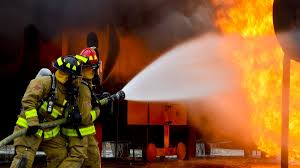
Firefighters from multiple agencies have been deployed to the incident, utilizing both ground crews and aerial resources to slow the fire’s progression and protect nearby homes, infrastructure, and natural habitats.
Firefighters Continue Aggressive Suppression Efforts
Emergency responders are focusing on several key objectives:
- Protecting lives and nearby communities
- Defending homes and critical infrastructure
- Establishing fire containment lines
- Conducting aerial water and retardant drops where conditions permit
- Monitoring weather changes that could increase fire activity
Wildfire crews continue working around the clock as changing wind patterns and dry vegetation create difficult firefighting conditions.
Evacuations and Public Safety
Depending on how conditions evolve, officials may issue:
- Evacuation Orders
- Evacuation Warnings
- Temporary road closures
- Public safety advisories
Residents living near the affected area should be prepared to leave quickly if evacuation notices are expanded.
Emergency officials recommend preparing an evacuation kit that includes:
- Important documents
- Prescription medications
- Water and food
- Cell phone chargers
- Clothing
- Pet supplies
- Emergency contacts
People should avoid entering evacuation zones unless authorized.
Road Closures and Travel Impacts
Drivers should expect changing traffic conditions near the fire.
Possible impacts include:
- Temporary highway closures
- Restricted local road access
- Delays for emergency vehicles
- Reduced visibility from heavy smoke
Motorists are encouraged to use alternate routes and avoid traveling into active firefighting areas.
Smoke and Air Quality Concerns
Smoke from the Sunol Fire may impact communities well beyond the immediate fire zone.
Health officials recommend:
- Remaining indoors when smoke is heavy
- Keeping windows and doors closed
- Using HEPA air filtration if available
- Limiting strenuous outdoor activities
- Wearing a properly fitted N95 mask if outdoor exposure is unavoidable
Children, older adults, pregnant individuals, and those with asthma or heart disease should take extra precautions during periods of poor air quality.
Weather Could Influence Fire Behavior
Fire officials continue monitoring weather conditions that may affect firefighting operations, including:
- Strong afternoon winds
- High temperatures
- Low humidity
- Dry vegetation
- Overnight recovery conditions
Rapid weather changes can quickly alter wildfire behavior, making ongoing monitoring essential.
Wildlife and Environmental Impact
The Sunol region contains important natural habitats and recreational areas. Wildfires can significantly impact wildlife, vegetation, and ecosystems while increasing erosion risks after the fire is contained.
Environmental agencies will assess damage once firefighters gain full control of the incident.
How Residents Can Stay Safe
Officials recommend that residents:
- Follow all evacuation instructions immediately.
- Sign up for local emergency alerts.
- Avoid driving into affected areas.
- Monitor changing weather conditions.
- Check on elderly neighbors and vulnerable family members.
- Keep emergency supplies readily available.
Recovery Will Continue After Containment
Once firefighters achieve full containment, recovery efforts may include:
- Damage assessments
- Utility restoration
- Road reopening
- Environmental rehabilitation
- Community assistance programs
Officials will continue monitoring the burn area for hotspots and potential flare-ups until the fire no longer poses a threat.
Latest Sunol Fire Updates
The situation remains dynamic as firefighting operations continue. Fire size, containment percentages, evacuation zones, and road closures may change as crews respond to evolving conditions.
Residents are encouraged to rely on official local emergency management agencies and fire authorities for the latest verified information before making travel or evacuation decisions.
Frequently Asked Questions (FAQ)
Where is the Sunol Fire burning?
The fire is affecting the Sunol area in Alameda County, California, where firefighters are working to contain the wildfire and protect nearby communities.
Are there evacuation orders for the Sunol Fire?
Evacuation orders or warnings may be issued depending on fire activity. Residents should monitor official emergency alerts for the latest instructions.
Is the Sunol Fire contained?
Containment efforts are ongoing, and the percentage of containment may change as firefighters continue suppression operations.
How is the fire affecting air quality?
Smoke may reduce air quality across surrounding communities. Sensitive groups should limit outdoor exposure when smoke levels are elevated.
Are roads closed near the Sunol Fire?
Some roads may be temporarily closed to support firefighting operations and protect public safety. Travelers should expect delays and follow traffic advisories.
What should residents do during the Sunol Fire?
Residents should prepare emergency kits, monitor official alerts, follow evacuation orders immediately, and avoid entering active fire zones.